
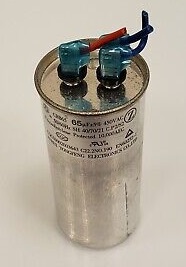
Living in Central Florida means relying heavily on air conditioners to combat the intense summer heat. But what happens when your AC unit starts blowing warm air instead of cool? This could be a sign of a faulty AC capacitor.
The Role of an AC Capacitor
Air conditioning systems are complex and consist of various essential components. When any of these parts fail, your AC might struggle to keep your home cool. One of the critical components is the capacitor. In this blog post, we’ll dive into the symptoms of a bad AC capacitor, its function, how to test it, and why it might fail. If your AC isn’t cooling effectively, reach out to Beacon Services & Appliances for expert help.
How AC Capacitors Work
The AC capacitor is housed in the outdoor condensing unit of your air conditioner or heat pump. It provides power to the motor, giving an initial burst of energy to start the cooling cycle, then maintains a steady flow of electricity until the cycle ends.
This initial surge is 300% to 500% more than the regular electrical requirement. Once the motor hits its optimal speed, the capacitor regulates and maintains a consistent power supply. Think of it like a battery that stores and releases energy as needed.
Causes of AC Capacitor Failure
A malfunctioning AC capacitor can hinder your system’s performance. Here are some common causes:
- Overheated system circuitry
- Short circuits in the cooling system
- Power surges
- Lightning strikes
- Extremely high outdoor temperatures
- Normal wear and tear
Lifespan of AC Capacitors
Typically, AC capacitors last about 20 years, although this can vary with usage frequency, local climate, and maintenance practices. Watch for signs like humming noises, trouble starting, or uneven cooling, as these may indicate capacitor issues. If you notice any of these, contact Beacon Services & Appliances for repair.
Problems Caused by a Bad AC Capacitor
- Reduced Performance: A faulty capacitor can severely affect your AC’s efficiency, causing the outdoor unit to malfunction and impeding the cooling process.
- Increased System Stress: Inadequate voltage delivery forces the system to work harder, leading to premature wear and tear.
- Higher Energy Bills: A struggling AC unit uses more energy, resulting in higher electricity bills. If you notice rising costs without changes in usage, it might be time for professional AC services.
Checklist of Bad AC Capacitor Symptoms
Faulty capacitors can cause your system to run poorly, and sometimes the problem isn’t immediately obvious. Here are symptoms to watch out for:
- Smoke or burning odors from external components
- Humming noises from the unit
- Delays in starting the cooling cycle
- Random shutdowns
- Absence of cold air
- The unit doesn’t power on
- Increasing energy bills despite unchanged usage
Testing Your AC Capacitor
HVAC technicians use a multimeter to assess AC capacitors. This tool measures current, voltage, and resistance. During an inspection, technicians will look for symptoms like:
- Cracks
- Bulging
- Leaking fluid
- Low charge when tested with a multimeter
Identifying these signs can help pinpoint issues with your capacitor. For a reliable diagnosis and solution, professional assistance is crucial. Contact Beacon Services & Appliances | Beacon Air & Heat, Inc for all your AC repair, and appliance repair needs. Call us today at 352-726-7530, or visit our website at www.beaconsaves.com .
Categories: Uncategorized
 www.BeaconSaves.com
 Beacon Services & Appliances | Beacon Air & Heat, Inc.